LINK: http://www.facebook.com/IEDEI.blog

i’m kinda getting obsessed with finding obscure race footage filmed on Super8 cameras!
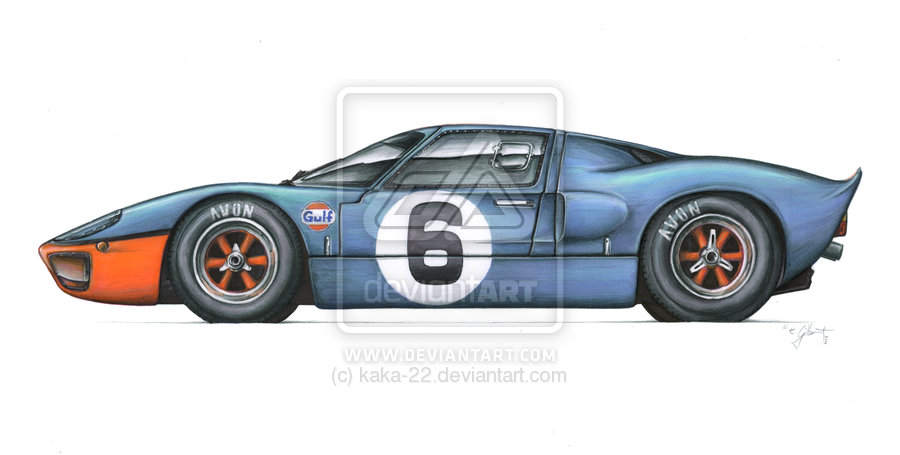
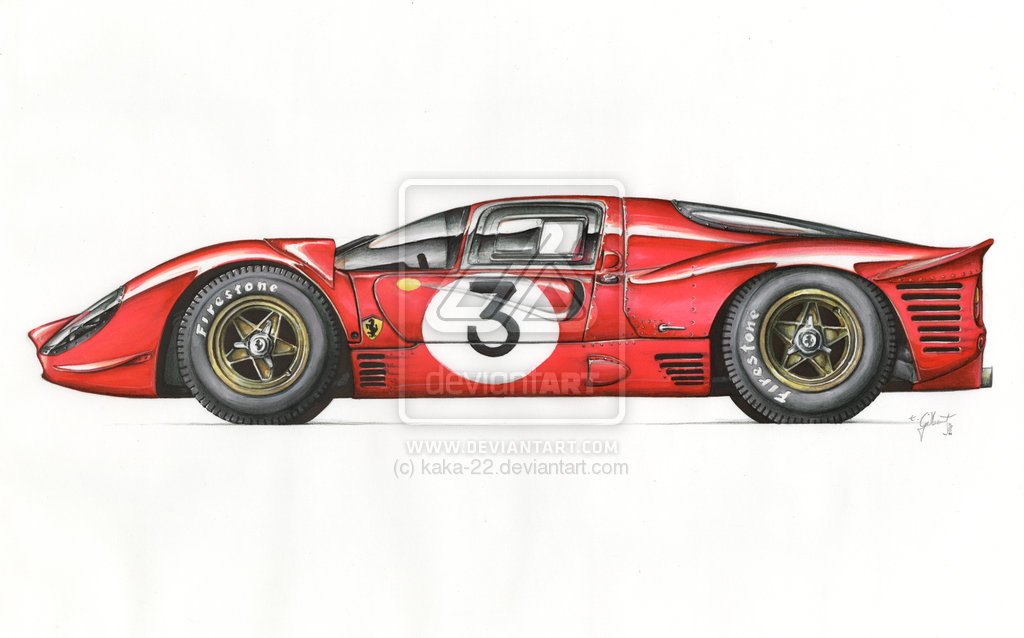
I quite enjoy these coloured pencil sketches, from the Deviant Art page of Kaka 22
(shame about the big watermarks on them though….)


One of my top 10 favourite race cars in history……the amazing Audi 90 IMSA GTO quattro taking on the corkscrew at Laguna Seca.
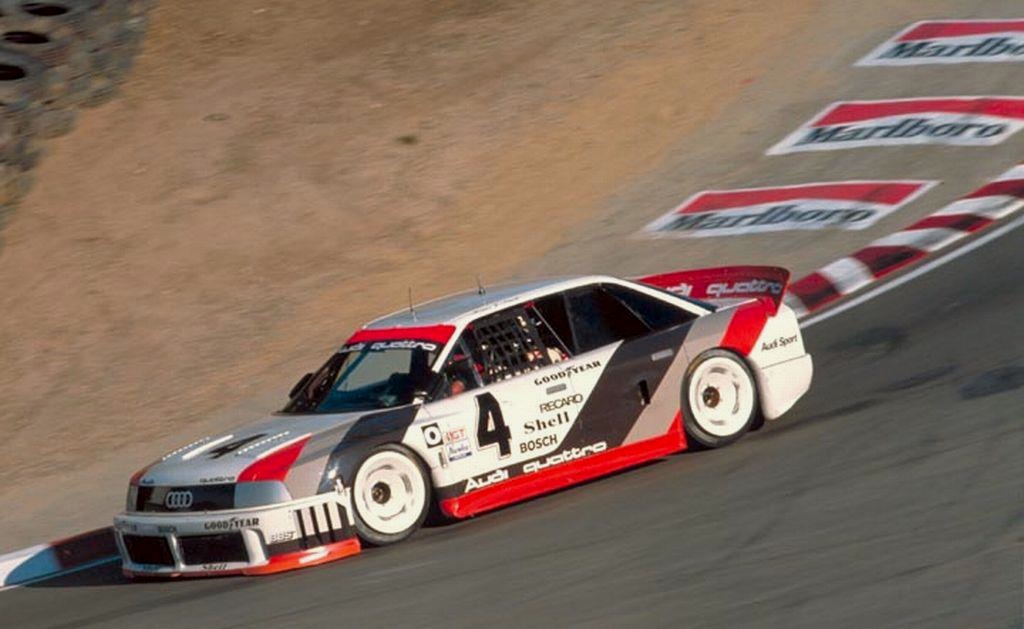
source: AudiSport
Is there anything cooler than vintage Super8 rally footage? I doubt it!
Here’s the description of this video provided:
“In 1974 Australia’s first European-style special-stage rally was won rather fittingly by a 1973 Group 4 Alpine Renault A110, the first marque to win the World Rally Championship. The Alpine, Bernard Darniche’s Morocco-winning car, was driven to victory by 1970 Australian Rally Champion Bob Watson. This amateur movie, shot on Super-8 film and with the sound recorded on cassette tapes, has survived transfer to VHS tape, and now to a digital format. There are voice-over interviews with Bob Watson, Geoff Ross, the late Peter Brock, and Gerry Ball. The quality may not be the best, but this is an important part of the history of rallying in Australia.”

source: Steininge
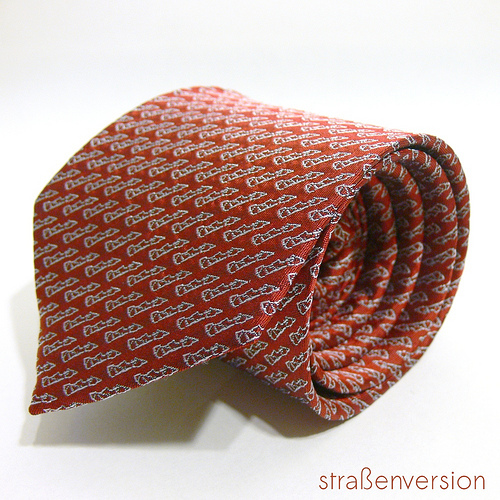
It’s amazing that last month I was pondering why there aren’t more ties devoted to motoring and motoring history, and then my friend Xander introduces a couple of ties doing exactly that with his marque of Strassenversion! Of course i’ve raved about his artwork in the past, which was then turned into some supercool t-shirts—-and now he’s launched neck ties which interest me greatly—especially since I wear ties quite often to my work at the hospital.
information about ordering: http://strassenversion.net/apparel.html
One of them is a GP tribute, while the other one appears to be a Stratos Zero concept! Nicely done indeed! I want the Stratos one.

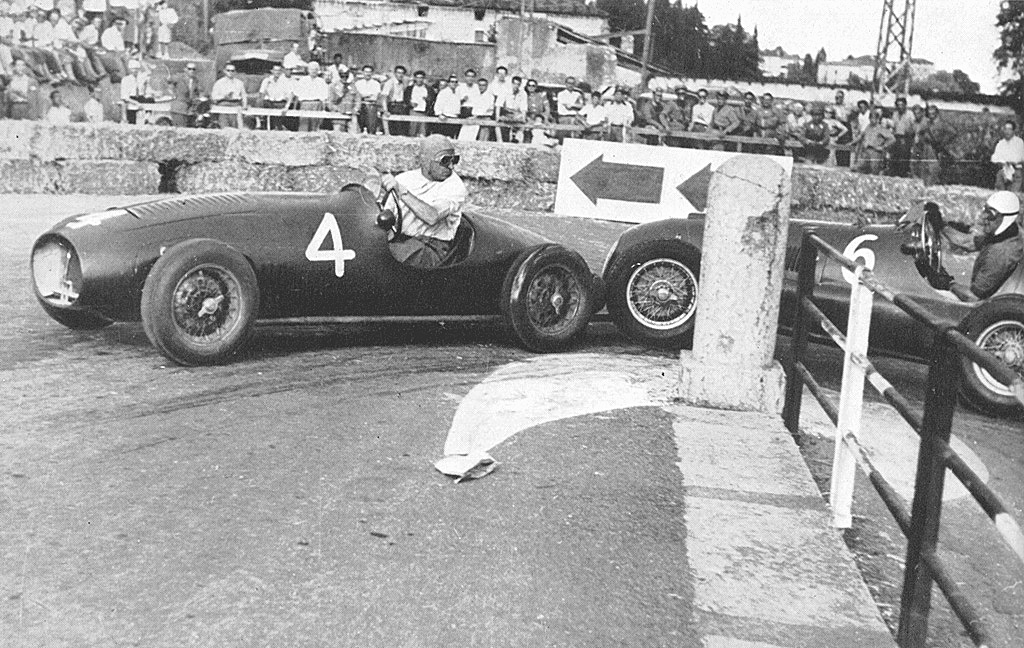
Gotta love this photo of an Osca 1100 and Ferrari 166 battling it out like real men in 1949….with Dorino Serafini giving Mario Tadini the ‘look of death’! superb!
Pic from GOV

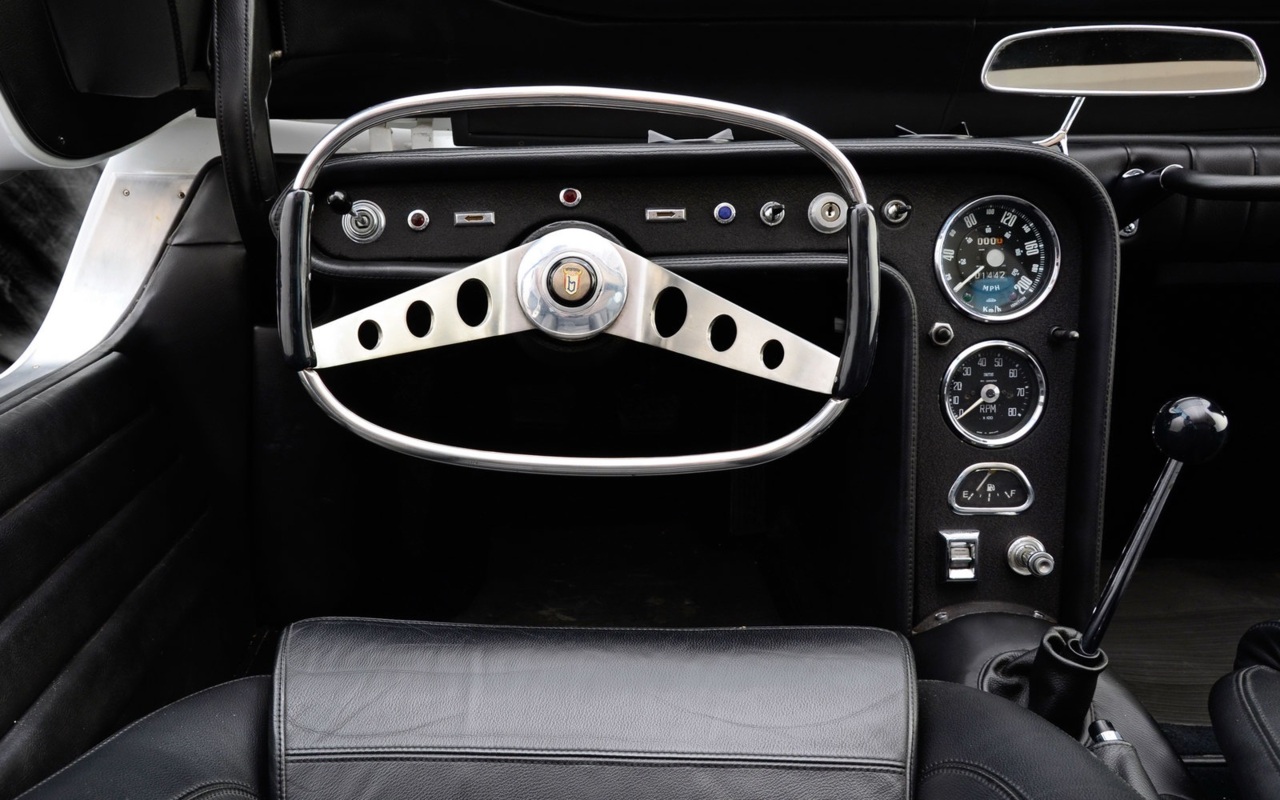
This car recently sold in that Bertone concept auction for 336k Euros, but the 1963 Bertone designed Chevy Corvair Testudo concept had one supercrazy interior. Wow.

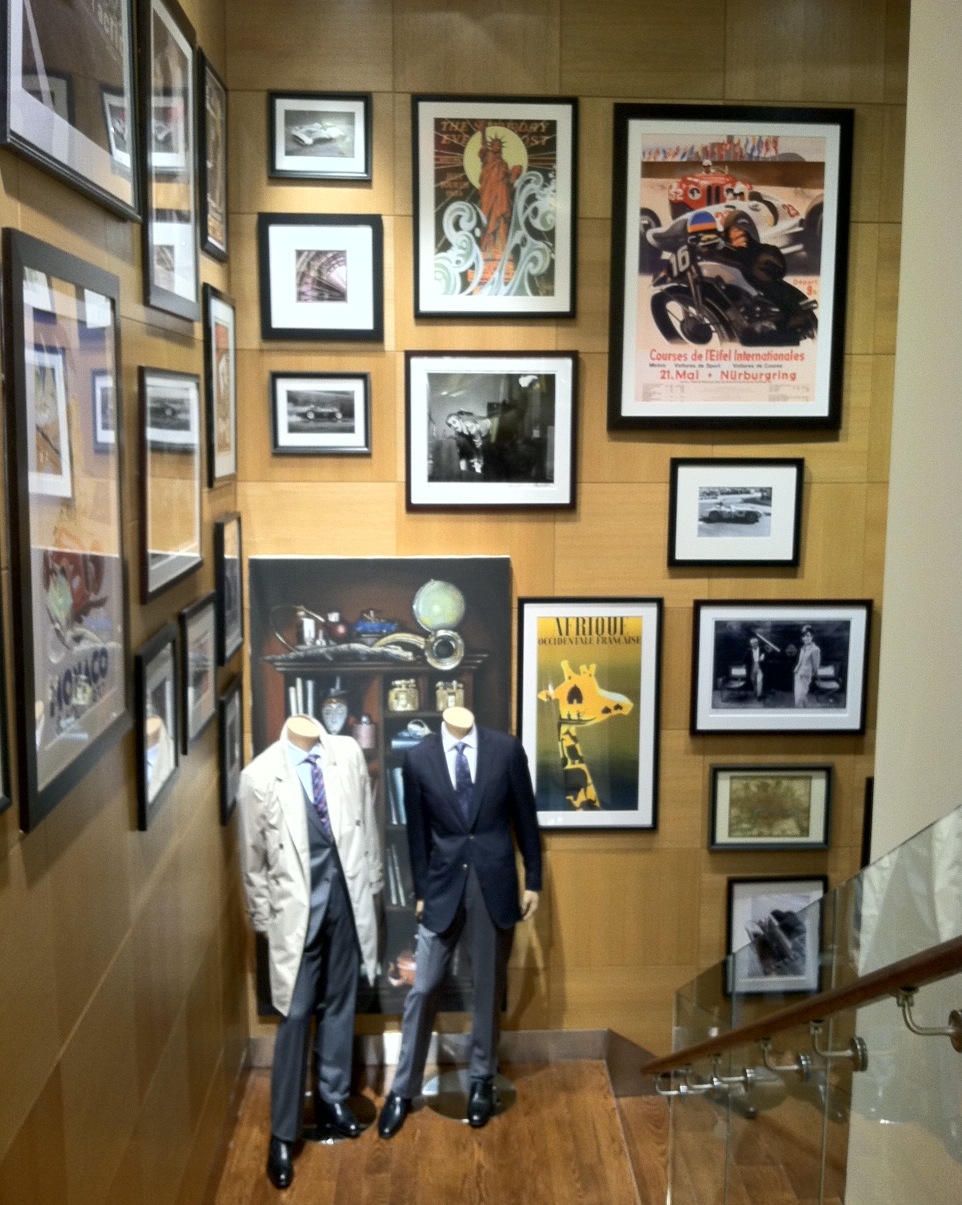
Never let me go near a Dunhill store without taking my wallet from me; that’s the moral of the story.
As of yet, I have never been able to walk into a Dunhill store and not walk out with a bag in my hand, in fact my impulsive buying at that shop in particular is a bit scary.
The damage today wasn’t that bad….err, relatively speaking. I’d been looking for a new pair of winter gloves for the past week or two, having even dismissed a pair i liked somewhere last week because they were “too expensive” ($100)…..fast forward to today, I was invited to the Audi Forum in Manhattan for some free drinks, a look around the cars they had, and a general social gathering. The gathering was quite boring, so i swigged down 2 Amstels and decided to walk 9 blocks to go to the Dunhill store.
The damage? Well the winter “Shearling” gloves i bought were $225. But OH how they feel when i put them on……the inside is lined with mink fur, and the outside trimmed in leather and suede. I drove home in the TT, and the gloves just felt EPIC. Surely the fact that i’d just spent $225 on them made them just that much more beautiful.

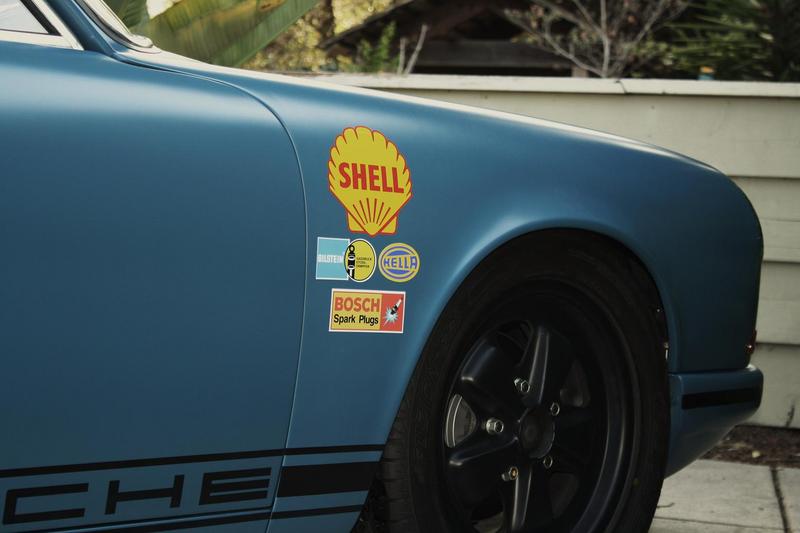
If you’ve read this blog, you’ll know that i have 2 ‘favourite’ forms of Porsche 911——the 997 GT3 and the 911R.
To me the 911R is THE definitive 911—-more than a Carrera RS, more than any of the others….
And here is a 911R replica hot rod for sale in California, for a very respectable $27k. $27k? for a fully spec’d, restored 911R kitted 1968? Epic cool. I have to say that i’m not really a huge fan of the ‘matte’ paint scheme on it, although i do LOVE the actual grey-blue colour they have used.
Otherwise, this is probably the perfect used 911 for me….wow. Now if i can just make this blog as big as it is in my head to raise me the $27k to purchase it.


Original sale ad on Pelican Parts (via BringATrailer)
I’ve come to love these more and more as time goes on—-the NSU PRINZ and its variants, especially the ur TT.
Pic from Hugo90

This one!
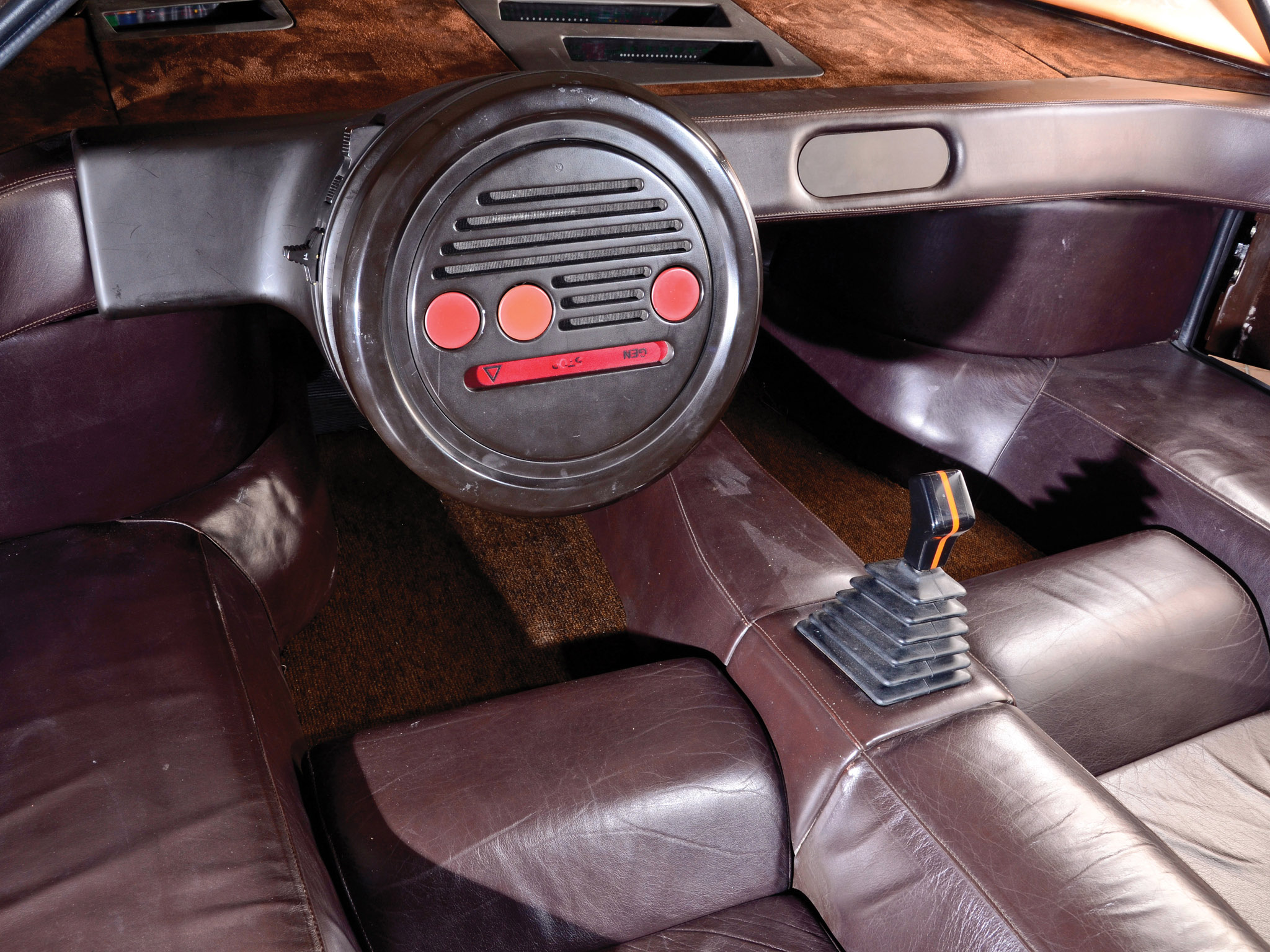
It’s from the 1978 Lancia Sibilo Concept, designed by Bertone. What are those red and orange buttons!?


I found these fascinating pictures and words in regards to Ferdinand Porsche proposing plans for a central cockpit rear-engined supercar based off of the winning Grand Prix cars of the time—-sound familiar Gordon Murray of McLaren F1 fame? So in 1933, Porsche decided he wanted Auto Union to build the fastest, most insane, 4.4 Liter V16 200hp road car able to carry 3 people (including driver), have a centrally seated driver, and with the Auto Union race car engine pounding away in the rear-end of the car. That idea and drawings were labeled P52 or “Type 52” in 1934. The 200hp engine would have been a ‘detuned’ version of the 295hp engine in the GP car. I’m a little bit confused about the total number of seats in the sketches, as some of the pics show 2 passenger seats, while the Komenda sketches above look like there may be a backseat there as well.
Surely this car was a sign of things to come from Porsche—-and as they say, the best ideas are often attempted many times before they actually take off, as i’ve seen in regards to Ferdinand Porsche’s story time and time again.
Here are some original drawings made by Dr. Erwin Komenda (designer of the Auto Union GP cars!)
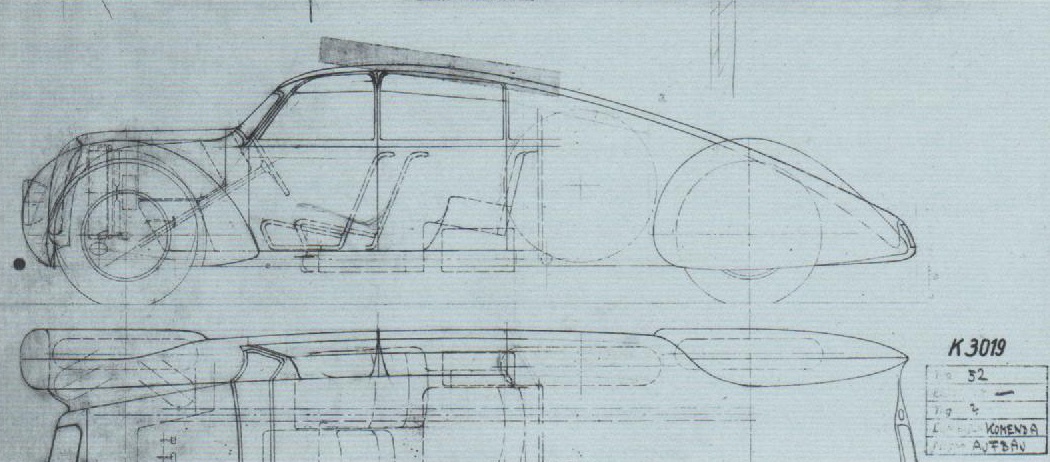

some more information:
“By early 1934, the road car project had been given its own identity and was designated typ 52. Komenda’s chassis drawings show he had added a longitudinal framework to which the body and large twin exhausts could be fixed. Hubs have also been drawn either side of the V16 to carry spare wheels, presumably in order to afford some luggage space in the rear of the body. The tyres on the road car were to be 5.50×20 all round, rather than the differently sized rubber of the racer.
Although the engine capacity of the Typ 52 was to remain at 4.4 litres (supercharged) the power was to he reduced from the racer’s 295bhp at 450Orpm to a more manageable 200bhp at 3650 rpm. This, the Porsche design team believed, would give the sports car a maximum speed of 125mph in fifth gear and a 0 60mph time of around 8.5 secs, a quite sensational performance for 1934
The limousine would not have been much slower; to put things in perspective it’s worth looking at the performance of what would have been the Typ 52 five seater’s main rival in the mid ’30s*the Mercedes Benz 540K. This behemoth weighed in at a colossal 57121bs, whereas the planned weight of the sports Auto Union was only 38581bs. Even the limousine would still have been a lightweight compared with the Mercedes. To propel its massive 54OK’s 5.4 1itre, straight eight engine managed a paltry 115bhp and an unremarkable 180bhp when the supercharger was engaged.
In 1938 The Autocar tested a 540K, and managed a maximum speed of 104 with an 0-60mph time of 16.4 secs. The Auto Union would have blown the Mercedes away. ( not only, due to its vastly superior power to weight ratio, but also because, aerodynamically, the former would have been as sleek as a speedboat, whereas the Mercedes, was like a galleon set to royals.
Sadly, the Typ 52 project fizzled, and today no one quite knows why. Once Auto Union’s racing programme was under way Porsche’s design team had to concentrate their efforts upon that, but there’s no doubt* the typ 52 could have been built by any one of the four Auto Union member companies, had the will been there.
On the race tracks it soon became clear that Professor Porsche’s mid engine required a special talent to get the best out of it, and it was not until 1935 that an old maestro named Achille Varzi and a young wunderkind named Bernd Rosemeyer managed to do that. It is quite possible, therefore, that Professor Porsche decided his road car would be too much for ordinary mortals to handle, even in detuned condition.
Whatever the reason, the Typ 52 project was allowed quietly to die and the motoring world has had to wait for years for its like* *the McLaren F1, designed by Gordon Murray* to appear. However, had the roadgoing Auto Union been built, we can be sure that our friend Bernd Rosemeyer would have demanded the first off the line. He was like a son to Professor Porsche, who would surely have denied him virtually nothing, recognising the value of having his star driver and his wife seen driving around Europe in his sensational new creation.
We can be equally sure that Bernd wouldn’t have been content with the 200bhp engine that the Professor had in mind for the Typ 52 By 1936 the size of the Auto Union V16 had been increased to 6 litres and the power had gone up to an impressive 520bhp. No doubt Bernd would have insisted upon having at least 450bhp under his right foot, and that would have been Rosemeyer’s Baby!”
(from SMcars.net and the story here)
The following artwork was commissioned by Classic and Sportscar (1984) and is by technical artist Brian Nation to attempt to recreate what a full plan of the Type 52 would have looked like if they had continued with the plan:
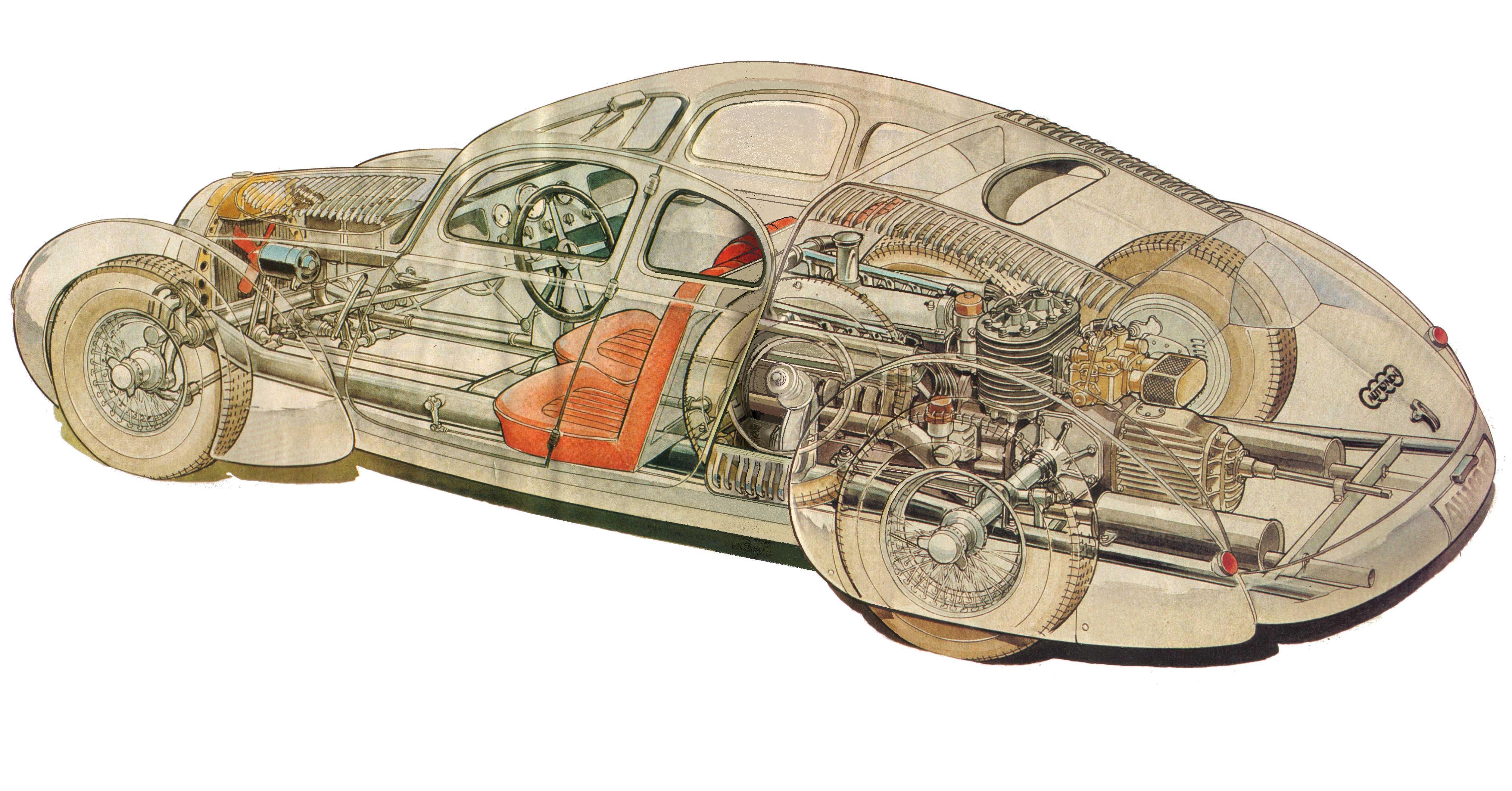
I can’t help but wonder if this car would have been produced—-how big of a shift in standards it may have led to—or maybe it would have just been resigned into the world of ‘unattainable low production failures’ as so many great machines have done so in the past. Regardless, the story is fascinating….as are most stories about the development of old-school petrol pumping iron.
(a picture of the original 2008 blog style below)
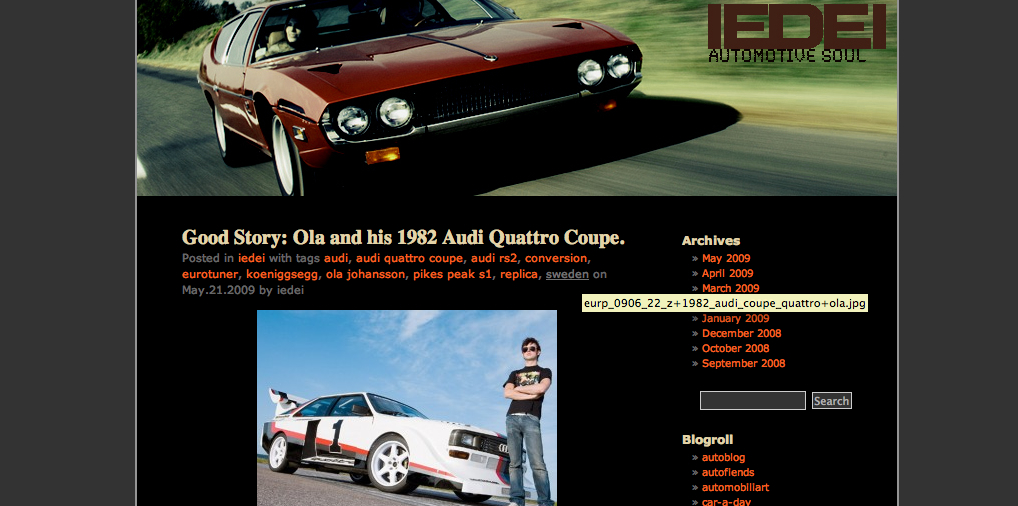
This is the 3rd major redesign in IEDEI history—–and quite a large one at that. Learning CSS is harder than it seems—but i’m glad Sobia (my wife) is a bit of a badass when it comes to web development and helped me iron out a few details—although the design and ideas are solely mine.
All hail the next era of the cool automotive blog. IEDEI was a unique idea when i launched it over 3 years ago—-and remains a unique idea, so unique that I can’t even figure out what it is supposed to be sometimes. That being said—I have some interesting ideas for the “IEDEI” badge in the coming times…..more details in 2012.
Keep the petrol pumping, and the cylinders humping.
Citroen have always made funktastic and weird designs which are creative, unusual, and push the limits. Here’s another one, the M35 Prototype/Concept from 1969.
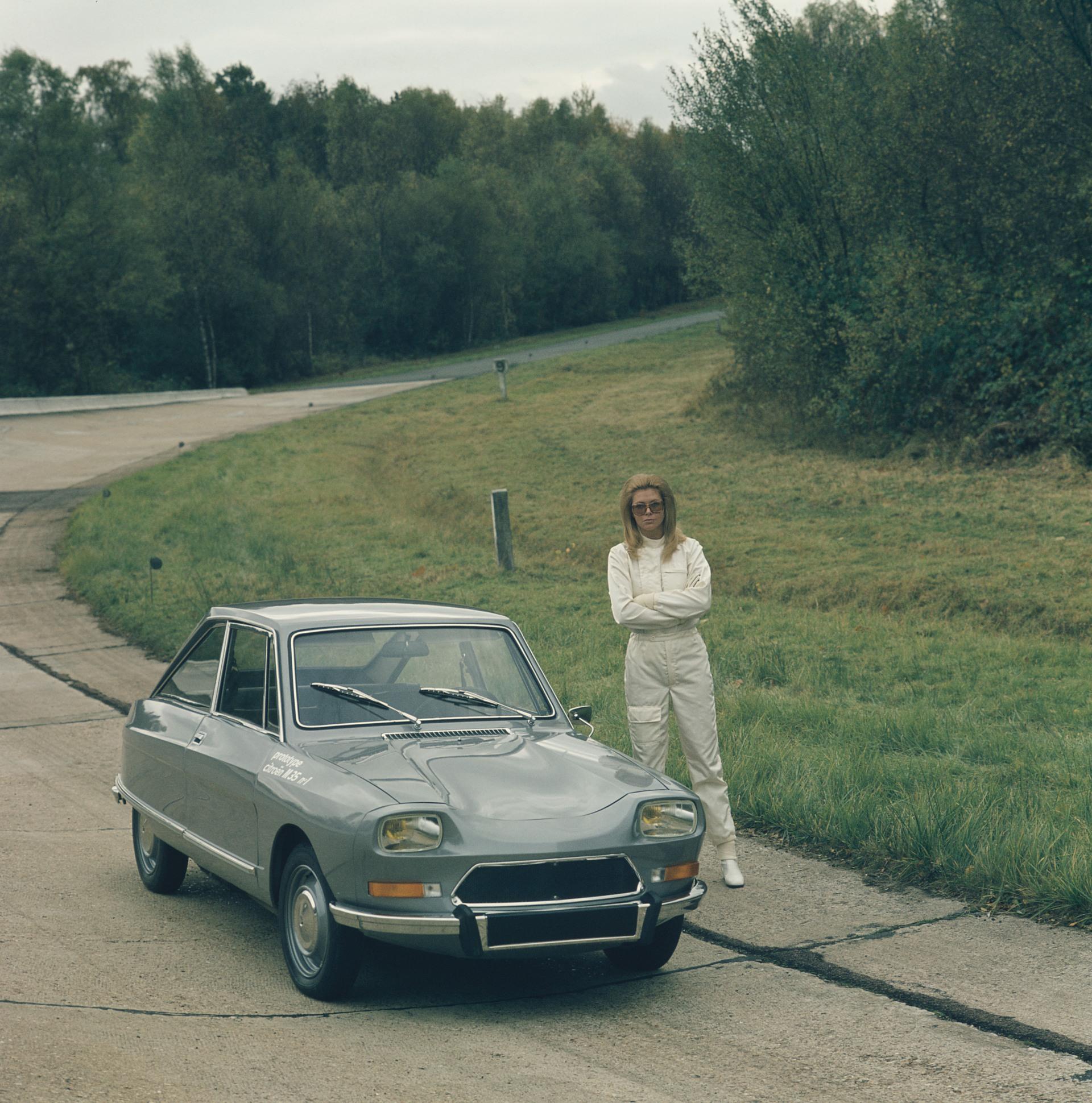
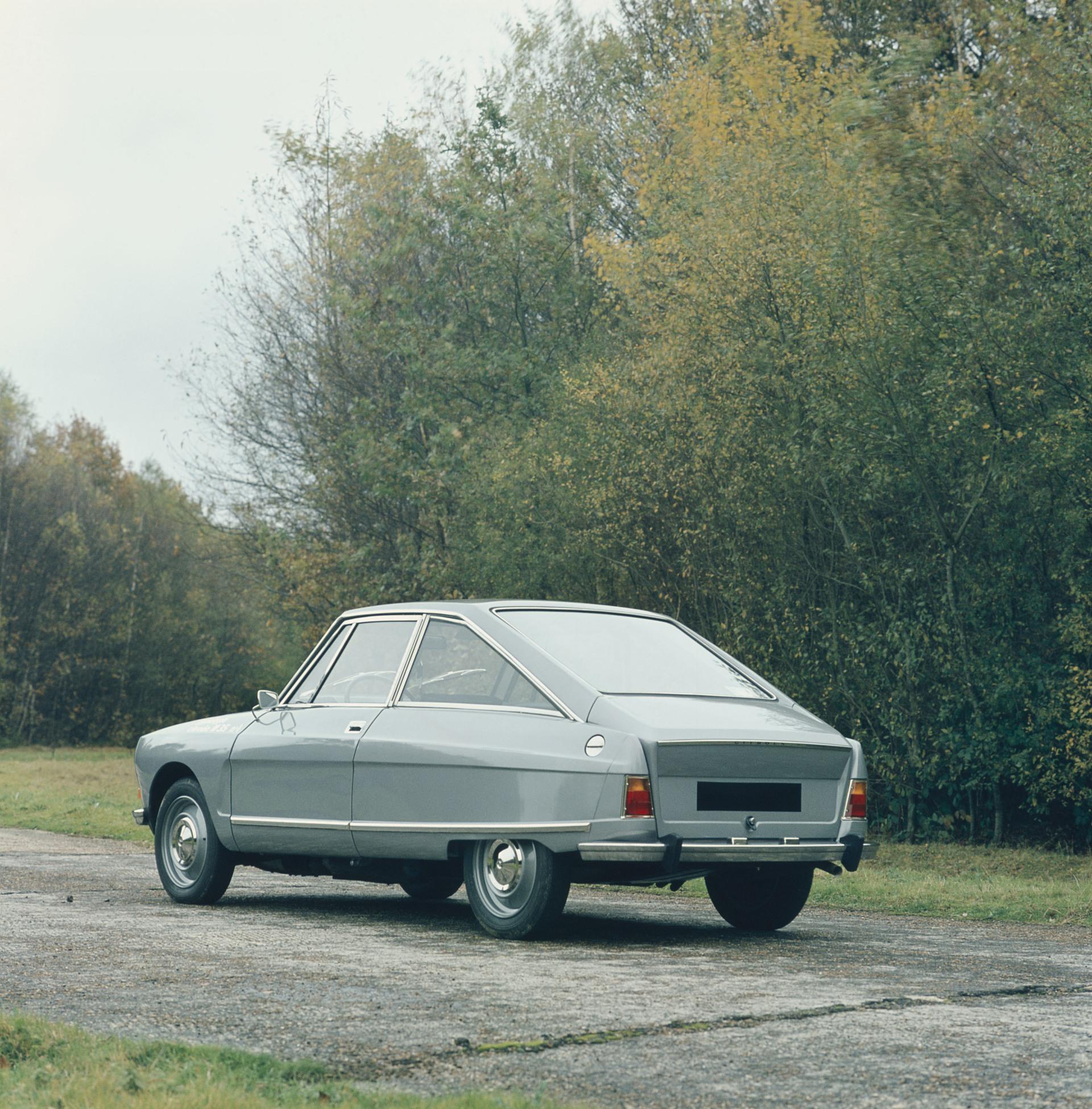
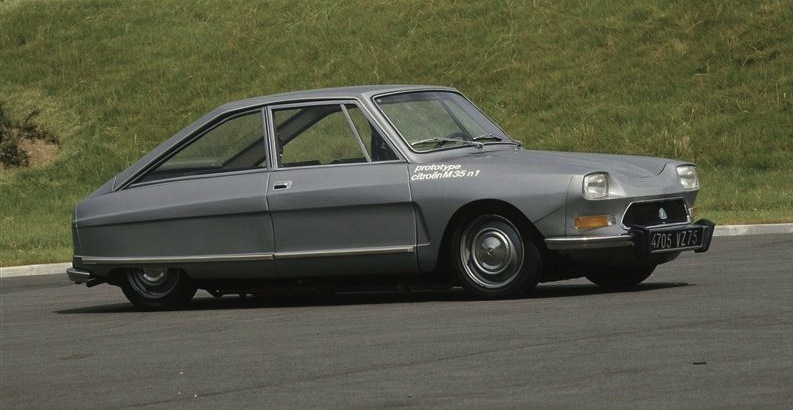

fotos from concept carz
I found these stellar manga style automotive art/drawings on DeviantArt with the artist being known as teardrop-sidemarker (aka Will Kingstone). Very cool stuff…


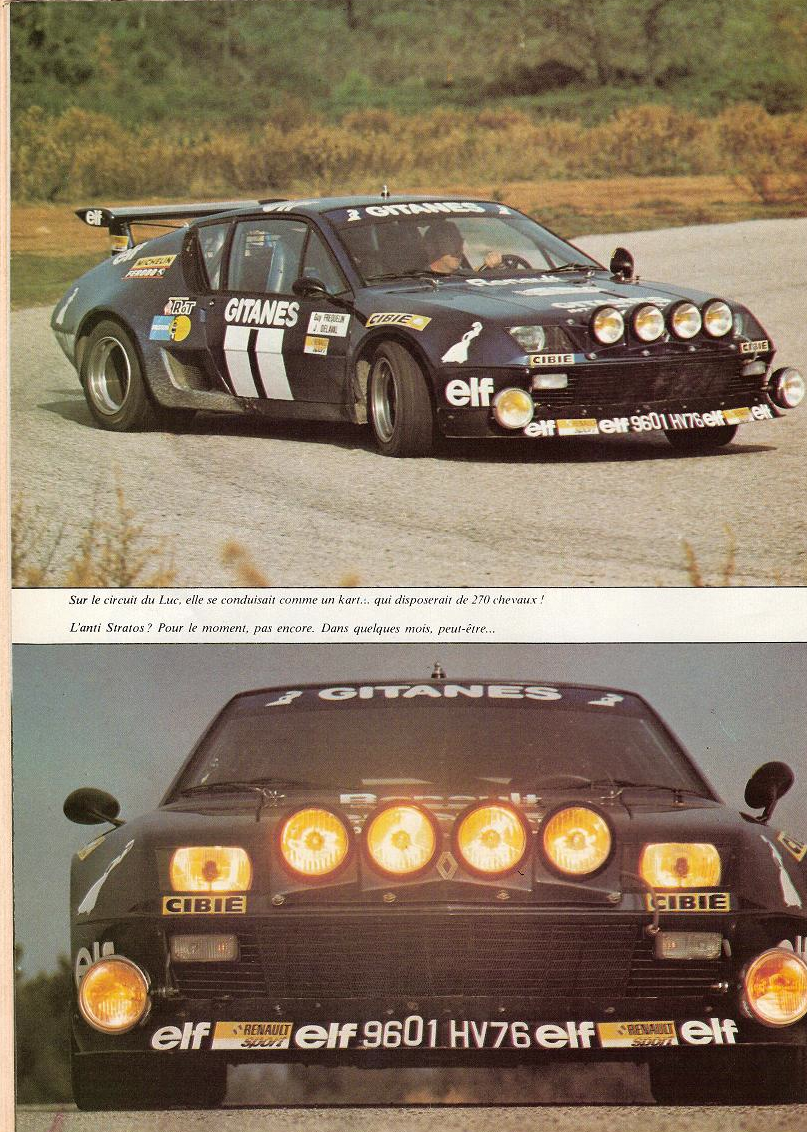
the badass Alpine-Renault A310 in rally spec.
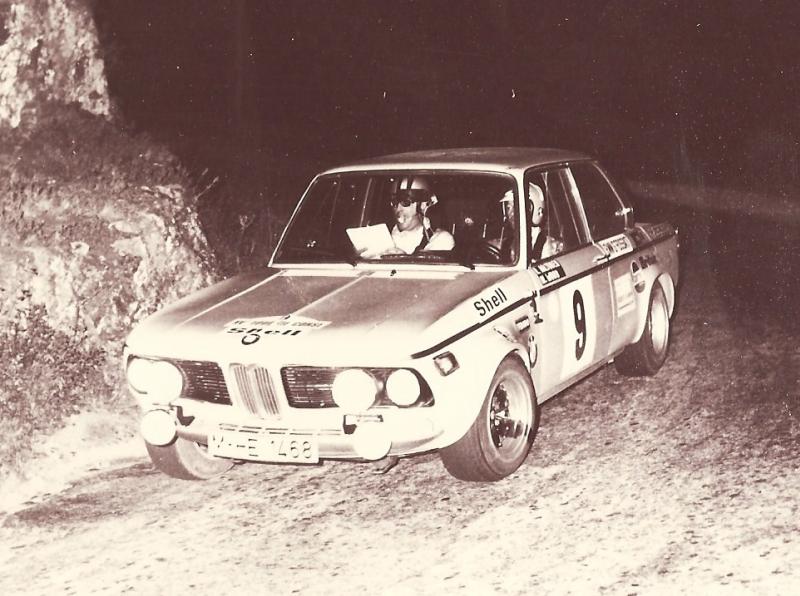
Here’s something I didn’t know about—-in 1970, the BMW Werks team developed a weird concoction of part BMW 2002 and part E9 coupe and came up with the 3002. The car raced in one race, the 1970 Tour De Corse—-and the car still exists, although it’s in pretty ratty shape somewhere in California, according to someone who has seen it there.
Around 270hp with a 6 cylinder and weighing around 950 kg—–the car was surely a bit of an animal for the time.
ORIGINAL PICS from 1970:

In it’s most RECENT condition…but still alive!


source: AlpinaBMW2002
all types of cool..

I’ve always loved nice watches, but often find myself admiring the style of watches that are far too expensive for my benign budget. More affordable watches are generally cheaply made and/or far too commoner for me to ever give a second glance to.
My perfect watch would be racing inspired, mechanically sound, built to detail, and not cost a fortune. Enter Officine Autodromo and their newly launched line of fantastic watches described in the company as “Instruments For Motoring”, inspired by vintage dashboard clusters from iron fed by fuel.


These special timepieces were conceived, designed, planned, and implemented by founder Bradley Price; a good friend of mine and a SEVERE automotive enthusiast. I knew before I ever even saw the watches that I had to have one, and that they would be beautiful to look at and functionally sound. I was right.
I see attention to detail which is beyond what I see in watches far more expensive than these; from the packaging to the casing to the band to the detailed chassis identification card which is stamped and found inside the carefully thought out leather box; Autodromo has made a series of relatively affordable watches which can be worn in any setting; from sitting in a hospital conference room to barreling down a freeway in the pouring rain. I know because I bought my own Wednesday—-a superb example of a black case Veloce—-here’s a dirty grainy pic of me wearing it in the TT:

The launch line-up:


These watches retail for $425, which is a great deal for the amount of detail and design found within them. Definitely a solid gift idea for the upcoming holidays, OR just a guilty pleasure for the petrolhead screaming inside our own heads.
More details and ordering info at AUTODROMO
 IEDEI
IEDEI 